
Congratulations!
Having a baby can be rewarding and overwhelming. There are so many changes happening. While you are busy taking care of your baby, remember to also take care of yourself.
Getting as Much Rest as You Can
Most newborns take many short naps rather than sleeping for long periods at a time, so getting a good night’s sleep is not always realistic for parents. Here are some ways to get as much rest as you can, even if you do not fall asleep.
- Take time to reset.
Sit or lie down and put your feet up for a couple minutes. Take five deep breaths and let your muscles fully relax. Small moments of rest add up to calm your body and mind. - Ask someone to watch your baby.
Have someone watch your baby even if it is for a short time. If possible, go to another room and close your eyes. Even if you do not sleep, you are resting. Include rest with things you already have to do.
When you are feeding your baby, make it comfortable. Use pillows to support your arms. Try not to scroll on your phone. Putting your phone down gives your mind a better break.When baby is spending time on the floor, lie down while being present with him.
Use caffeine wisely.
It is normal to want caffeine to get you through the day, but too much can make sleep harder. Although a low to moderate amount is considered safe, a small amount can pass to your baby through breastmilk. Experts recommend limiting caffeine to 200 mg per day, which is about two small cups of coffee. If you have a newborn or pre-term baby, consider drinking less as he can be more sensitive to caffeine.Try to wait until after you eat before drinking caffeine and stop by 1 or 2 p.m. to avoid disrupting your nighttime sleep.
- Lower expectations.
You do not have to finish everything you usually do around the house. It is okay if the dishes are half done or if the laundry is not folded. Right now, rest is more important. - Remember this is not forever.
There will be times when your baby sleeps for longer periods. Do your best to take one day at a time.
Moving Your Body
After recovering, you might be thinking about exercising and moving your body more. If you had a vaginal delivery with no problems, you can usually begin exercising as soon as you feel ready. If you had a C-section or complications during delivery, you will need a longer break. Talk to your health care provider about when it is safe for you to start exercising.
Be gentle.
As a new mom, there can be pressure to jump right back into things like work, exercise and taking care of the family. Try to be patient and take it slowly when you start moving your body again. It takes time to get used to movements even if they were easy before.
Make it simple.
Find a way to exercise that fits into your routine. For example, there are many workouts online that allow you to exercise right from home.
Check out our Mom Fitness workouts on YouTube. Mom Fitness is a workout series designed for new moms to have fun, reduce stress and move their bodies.
Start small.
Trying too much at once can make it hard for change to last. Set small, doable goals and build up from there. For example, you can:
- Walk for 10 minutes in the morning and 10 minutes in the evening.
- Do some stretches or exercises while your baby is on the floor.
Building Healthy Eating Habits
Eating nutritious meals is important but can be challenging during the newborn phase. Instead of being perfect, look for small ways to add nutritious foods.
Get foods that need little to no preparation.
Save your energy by having food you can prepare quickly. Instead of using fresh produce, use frozen or canned to save time. Also think of single-serving foods you can eat without preparation like hard-boiled eggs, whole fruit, cheese sticks or slices, tortillas, deli meat, toast and cut-up vegetables.
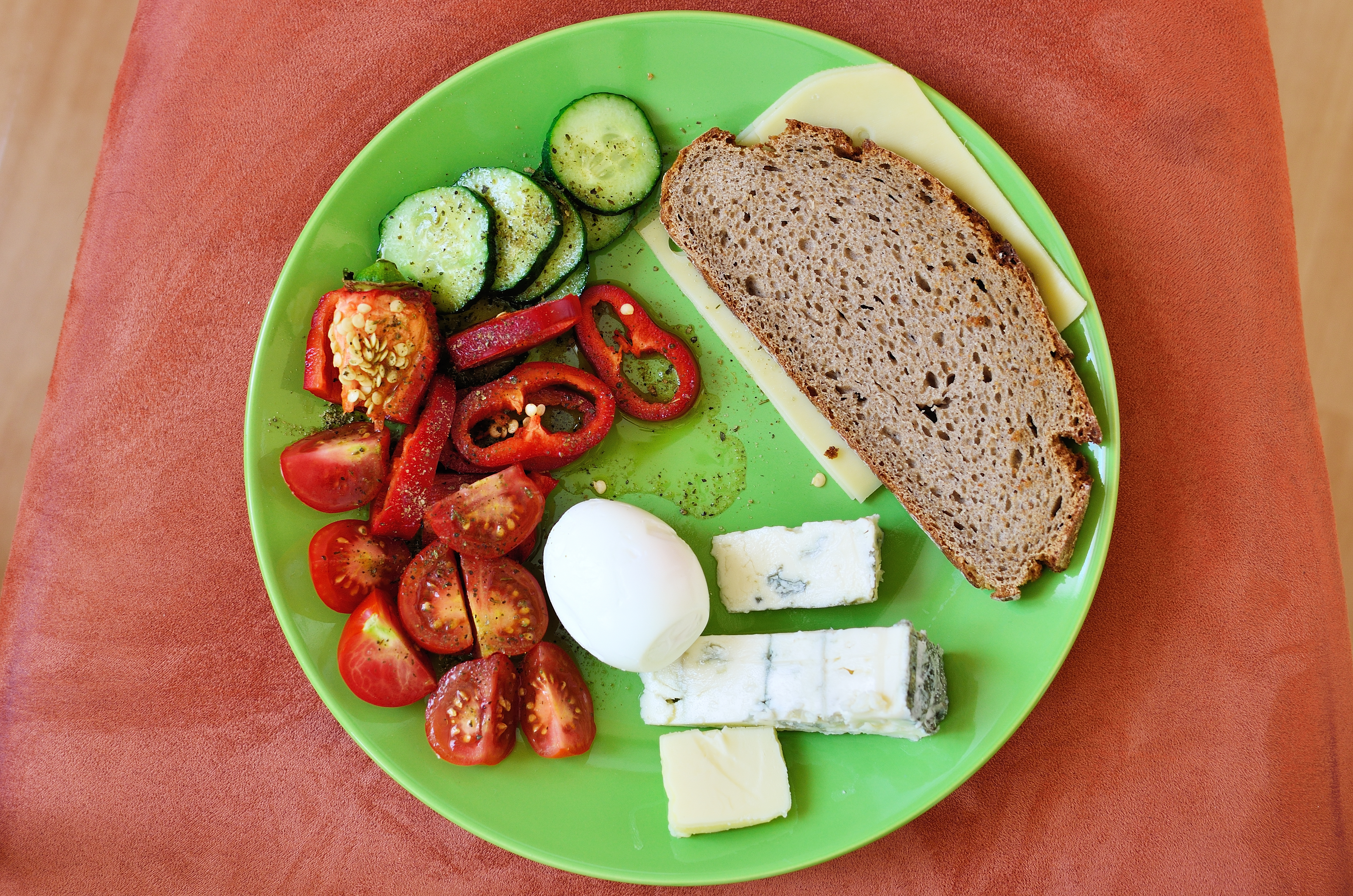
Build a “snack-style” meal.
It can be easier to throw together a few foods rather than a full recipe. Try to include as many food groups as possible (protein, fruits, vegetables, dairy, whole grains).
Example: On a plate, put together a few grapes, a slice of cheese, a couple slices of deli meat, whole grain crackers and bell pepper strips.

Be aware of appetite changes.
If you are breastfeeding, your body is using energy to make milk. This means you might feel hungrier than normal. Listen to your body: Eat when you feel hungry and stop when you feel full.
Try to eat at regular times.
You may forget to eat during the busy newborn phase. Try to eat every three to four hours to help you feel better and have more energy. Consistent meals are more important than perfect ones.
Get creative with leftovers.
Lean on leftovers even if it means serving the same meal several times. If you or the family wants to change it up, add a different sauce or reuse the protein to cook with different vegetables.
Do what you can.
While you are busy, meals might not look exactly how you want them, and that is okay. Prioritize your rest and do what you can to include nutritious foods.
Taking Care of Your Mind
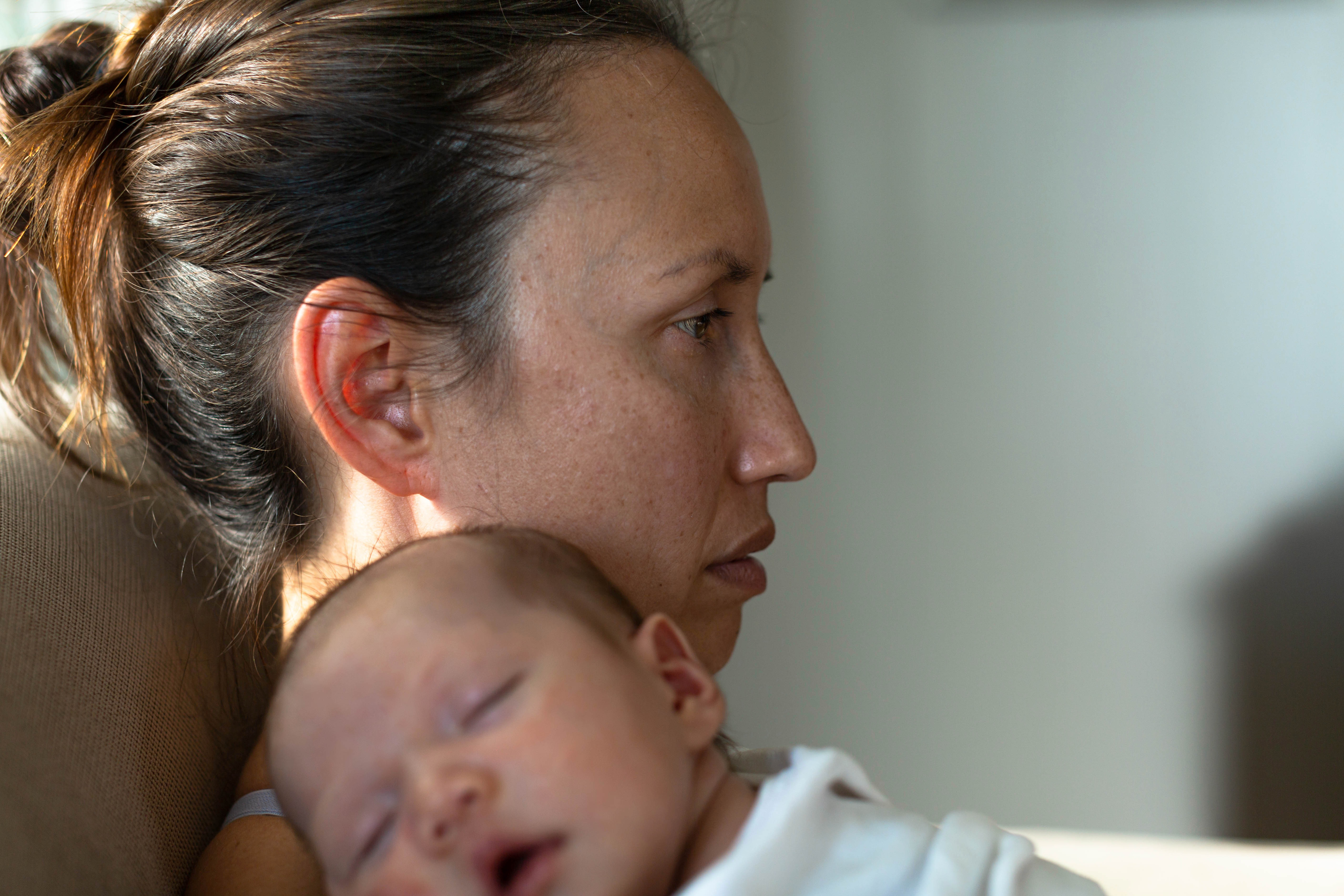
After having a baby, it is normal to feel a mix of emotions. One minute you are excited, then you are sad or stressed. Giving birth, experiencing changes in hormones and not getting enough sleep can all make you feel a little off. Pay attention to your feelings.
Look out for signs of the “baby blues.”
Some signs include:
- Crying easily for no reason.
- Trouble eating and sleeping.
- Being very worried about caring for the baby.
- Feeling overwhelmed.
- Having a short temper.
It is common to have these feelings, and they usually go away within a few days to a couple of weeks. Help from family and friends, resting, eating healthy foods, exercising and getting out of the house help with these feelings. If you feel depressed or anxious for more than two weeks, you may have postpartum depression. If you experience difficult emotions at any time, make sure you tell your health care provider and WIC staff.
Click through The Baby Blues and Postpartum Depression class to learn more about it and how to find help.
Tell someone how you feel
Talking to someone like a partner, family member, friend or another mom can be a powerful release that helps you feel better. It is common to pull away when you feel bad, but staying connected with people can help you balance your emotions.
Ask for help
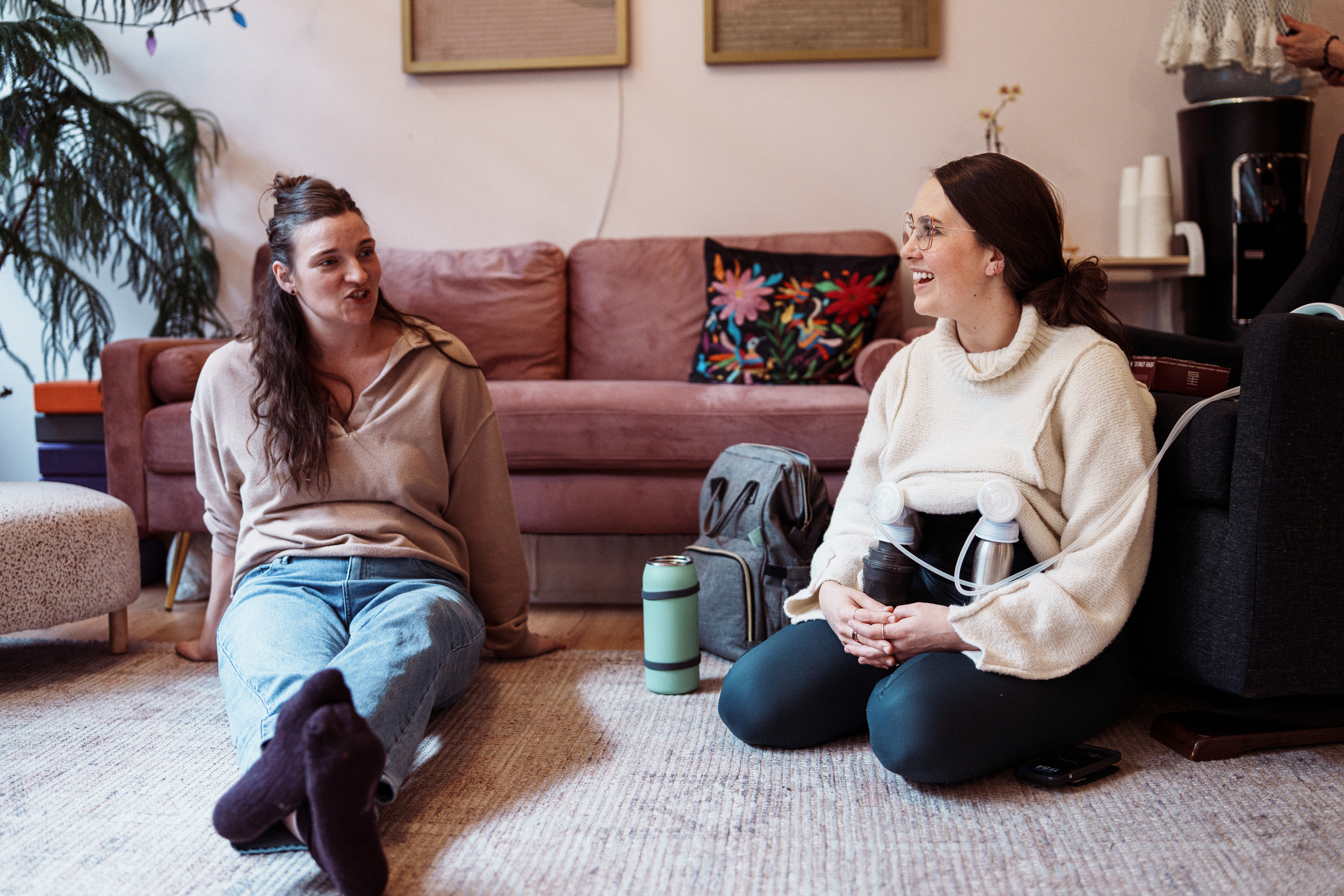
Research shows that getting help from others can lower the risk of postpartum depression or limit how bad the symptoms get. Asking for help can feel unnatural but leaning on others can make a big difference. Any kind of support will make parenthood a smoother, more joyful experience.
- Plan a meal train.
Ask friends, family, neighbors or coworkers to take turns sending you meals. There are apps online that make it easy for you to send a calendar for people to pick a date to provide meals. - Be specific.
If you want help with chores, tell people which ones. If you ask for meals, send a list of foods you usually like. If you want someone to watch the baby or older kids, tell them for how long. - Build a community.
If you do not have family or friends around, try reaching out to others in your community. Think of a neighbor or coworker that you know and trust or maybe a mom from a fitness class that you attend. Remember that WIC staff and your healthcare providers are also there for you to lean on. Build your community one small connection at a time.

 Have any questions?